Learn More About

AI – Artificial Intelligence

AI – Artificial Intelligence

Discover how AI is transforming marketing with automation, data insights, and customer engagement strategies to drive business growth and innovation.

Generative Experience Optimization for Google Gemini

Artificial intelligence is transforming how people search for information. Platforms like Google Gemini are moving search toward a conversational and answer driven experience. This shift means that traditional SEO alone is no longer enough. To stay visible, your content must be clear, trustworthy, and ready for AI systems to use inside generated responses.

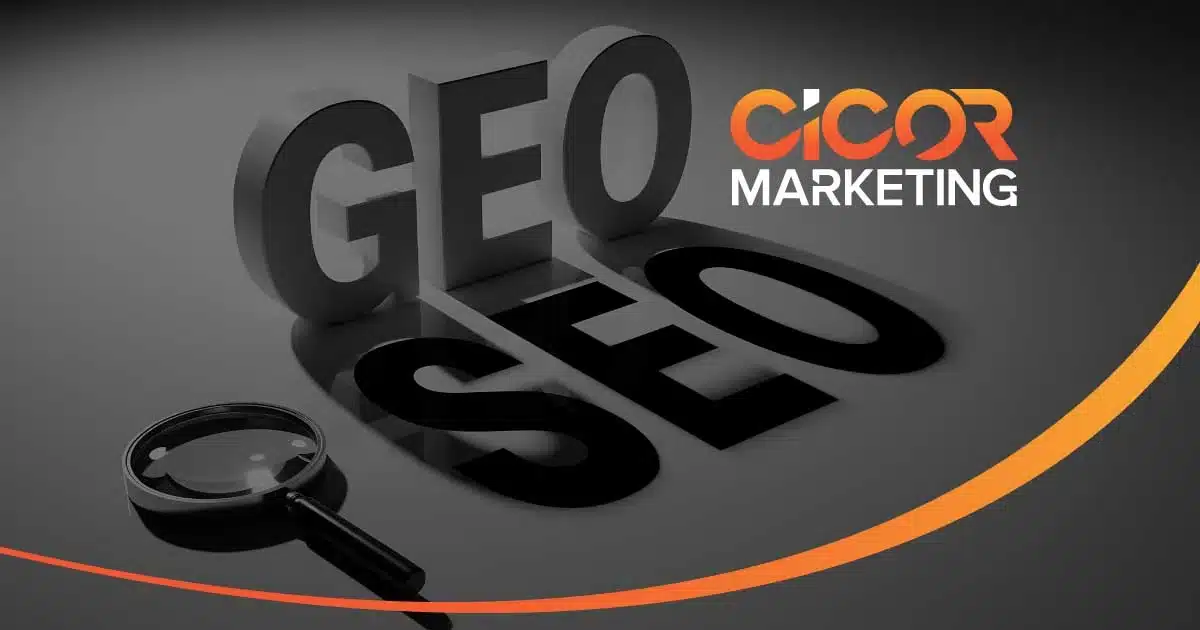
At CICOR Marketing, we use Generative Experience Optimization, also known as GEO, to position brands for success in this new search environment. GEO prepares your content to appear in AI Overviews, summaries, and spoken responses by helping AI understand and trust what you publish.

What GEO Means for Google Gemini

GEO focuses on making your content more discoverable by AI. It improves how often your information is selected and displayed inside answers. Instead of competing only for rankings, you are competing for citations and inclusion in AI generated results.

GEO is built on six key principles

Content Designed for AI

AI models understand content best when it is clear, direct, and conversational. They do not interpret long complex sentences the same way humans do. When your writing is simple and structured, AI systems can identify key facts faster and use them with more confidence. Break ideas into short paragraphs, use descriptive headings, and prioritize plain language over jargon. This makes your content easier for AI to scan, score, and select for generated answers.

Focus on Questions and Intent

Gemini and other AI platforms are designed to respond to questions, not just keywords. This means your content should address the real questions people ask and do so in a straightforward way. Start by answering the question clearly. Then expand with supportive details that help AI understand context and depth. When content aligns with user intent, Gemini is more likely to surface it in AI Overviews and conversational responses.

Use Structured Data

Structured data provides AI with clear signals about what your page contains. Schema markup works like a roadmap that tells AI exactly how to interpret your content. FAQ schema can highlight questions and answers. Article schema can help AI understand authorship and topical relevance. Organization schema can reinforce brand authority. When implemented correctly, structured data improves your visibility by making it easier for AI to extract the most important information.

Show Real Expertise

AI favors content from sources that demonstrate authority and trust. This is where experience, expertise, and credibility matter. Include author names and credentials. Reference reputable sources. Add case studies or first hand research when applicable. The more you show real world experience, the more signals you provide that your content is safe and reliable. These signals increase your chances of being selected inside AI generated summaries and answer boxes.

Keep Content Fresh

AI systems track signals that show whether information is current. Outdated content can be pushed aside in favor of more recent material with higher trust scores. Regular updates help reinforce that your content is active and maintained. Refresh statistics, expand explanations, and replace old examples. Updated content signals to AI platforms that your pages remain relevant and valuable.

Support Multimodal Search

Gemini processes more than text. It can interpret images, charts, audio, and video. This means you should optimize visual content with descriptive file names, helpful alt text, and supporting schema when applicable. A page with high quality visuals can appear in different types of AI results, including visual cards and rich overviews. Multimodal content increases how often and how widely your information is displayed.

How to Build a GEO Strategy

A strong GEO strategy aligns with how AI evaluates content. At CICOR Marketing, we guide clients through five stages that help them stand out across AI driven search experiences.

Research and Analysis

Begin by asking platforms like Gemini and ChatGPT questions about your business. Look for inaccuracies or missing information. These gaps show where your content needs improvement.

Review AI Overviews to understand which sources appear and why. Use tools that analyze AI citations so you know how often your competitors are mentioned.

Carry out keyword research with a focus on natural language. Look at conversational queries, related questions, and long form search patterns using tools like People Also Ask and Google Autocomplete.

Content Optimization

Write content that is easy for AI to interpret. Use clear headings, direct answers, and straightforward language.

Add schema markup so AI can understand the structure and purpose of your content. Refresh your pages regularly with new information. Include images or videos that add value to the topic.

Technical SEO and Accessibility

GEO still depends on strong technical foundations. Make sure AI crawlers can access your website. Keep your site fast, mobile friendly, and aligned with Core Web Vitals so users and AI agents have a smooth experience.

Brand Authority and Presence

AI relies on strong, consistent brand signals. Keep your business information aligned across directories and social platforms. Seek credible mentions and backlinks because even unlinked references help AI trust your brand.

Measurement and Adaptation

Track how often your content appears in AI generated answers. Monitor organic traffic, engagement, and conversions. Adjust your strategy as AI models evolve.

The Bottom Line

GEO is the next phase of search optimization. It prepares your brand for the way AI platforms understand, trust, and present information. Companies that adopt GEO now will capture more visibility as AI becomes the primary layer of search.

A Practical GEO Checklist for Multi-Location Businesses

GEO Checklist & Guidance based for AI-powered search visibility

Generative AI platforms like ChatGPT, Perplexity, and Google AI Overviews are changing how people discover local businesses. For companies with multiple locations, this shift raises an important question. How do we ensure each location shows up when a potential customer asks an AI tool for recommendations?

CICOR has helped multi-location businesses across healthcare, professional services, home improvement, and retail improve their presence in AI-generated results. Our approach focuses on aligning traditional local SEO with emerging signals that AI platforms rely on. This checklist reflects the structured process we use to guide our clients from uncertainty to visibility.

Visibility Audit

The first step is to evaluate which business locations actually appear in AI search results. We begin by asking natural language questions in tools like ChatGPT or Perplexity, such as “Who provides walk-in allergy testing near Tampa” or “What law firms are available in Washington DC.”

In many cases, only a few locations surface or appear with outdated or inconsistent information. CICOR audits typically uncover these issues quickly.

Focus areas include:

  • Verified listings on Google, Yelp, Apple Maps, and other core directories
  • Individual location pages on the business website that are properly indexed
  • Internal linking structure that supports search engine discovery
  • Use of structured data markup to define location and service information

This audit forms a starting point for both technical improvements and content planning.

Review and Reputation Signals

AI tools do more than count review stars. They analyze sentiment, keywords, frequency, and the tone of both customer reviews and business responses. CICOR works with clients to build review strategies that generate the right types of signals for AI interpretation.

Key elements we focus on:

  • Consistent review generation across all active locations
  • Reviews that include relevant services, staff names, or local context
  • Timely and thoughtful business responses
  • Balanced review distribution that avoids location gaps

Many AI platforms cite reviews directly in their answers, which makes quality and clarity just as important as volume.

Digital Footprint Cleanup

CICOR often discovers that a business’s digital footprint is more fragmented than expected. Duplicate listings, conflicting addresses, and broken links can reduce trust in the brand across AI systems. Cleaning this up helps create a consistent presence that AI tools can rely on.

What we review:

  • Accuracy of name, address, and phone number across all directories
  • Duplicate or incomplete listings on low-visibility platforms
  • Broken links or outdated redirects tied to location pages
  • Third-party mentions that lack proper citations or schema structure

Once cleaned, a business’s digital footprint becomes an asset that strengthens its AI visibility.

GEO-Optimized Content

Content plays a major role in whether a business location gets cited by generative platforms. CICOR builds content strategies that serve both people and machines. That means writing for clarity, using structured formats, and embedding location relevance into key content areas.

Our recommendations often include:

  • Custom content for each location page that avoids duplicate phrasing
  • Question and answer formats for services, staff, and procedures
  • Blog posts or articles tied to community topics or geographic insights
  • Schema markup to define business types, services, and local attributes

The goal is to create content that is both helpful to users and easy for AI platforms to reference.

Local Media and PR Signals

AI systems do not rely on a brand’s website alone. They also scan news coverage, blog mentions, directory references, and media assets. CICOR helps businesses identify and strengthen third-party signals that validate local authority.

Areas we support include:

  • Local press features, interviews, or event coverage
  • Press release distribution across reliable media networks
  • Community partnerships that generate backlinks and mentions
  • Publicly available photos and videos tied to specific locations

These signals often influence whether a business is quoted in an AI-generated summary or overlooked entirely.

GEO Readiness Checklist

This simplified checklist can be used by any multi-location business to guide GEO improvement efforts:

Location Visibility

  • Each location has a live, verified Google Business Profile
  • Listings are complete on Yelp, Apple Maps, and Bing Places
  • Website includes a dedicated page for each location
  • All pages are indexed and linked in site navigation
  • LocalBusiness schema is applied to each location page

Reputation Signals

  • Recent reviews are posted regularly for each location
  • Reviews mention specific services, products, or local terms
  • Staff or leadership is named in reviews where relevant
  • Business responses are present and timely

Digital Footprint Accuracy

  • No conflicting or duplicate listings exist across directories
  • NAP data is consistent on all major and secondary platforms
  • Third-party mentions link to correct pages when possible
  • Redirects and broken links have been corrected

Content and PR Support

  • Original, localized content is published on each location page
  • Site includes FAQs, blog posts, or news content with local focus
  • Press releases are distributed and archived on the website
  • External sources (news, blogs, partner sites) cite the brand correctly

Use this checklist as a recurring audit tool. CICOR uses a similar structure to support quarterly and campaign-specific GEO evaluations for our clients.

Why This Checklist Matters

Generative Engine Optimization is already shaping the way multi-location businesses are discovered. CICOR has seen this firsthand through our work with organizations seeking to improve their visibility across traditional and AI platforms. This is not a separate marketing activity. It is the natural extension of smart local SEO, strategic content development, and consistent brand management.

When applied systematically, the GEO framework helps businesses improve how they appear in both human and AI led discovery journeys. CICOR’s success in this space comes from understanding both the technical requirements and the brand storytelling that supports lasting visibility.

If your business operates in multiple markets and wants to stay ahead of how customers search, this checklist is the right place to start.

AI vs Human Marketing: How to Find the Right Balance for Real Results

In the ever-evolving world of digital marketing, the rise of AI Marketing has sparked excitement and a fair number of questions. Artificial Intelligence promises faster results, better targeting, and streamlined operations. But is it enough on its own?

At CICOR Marketing, we believe the future of marketing isn’t man or machine it’s both. When AI and human creativity work together, brands unlock smarter strategies, better performance, and more meaningful customer relationships.

Here’s how to strike the right balance.

What AI Marketing Does Best 

AI (Artificial Intelligence) shines when it comes to data, speed, and automation. It analyzes behavior, predicts outcomes, and helps you make informed decisions faster than any person could. These efficiencies not only save time but also give marketers an edge in an increasingly competitive market.

  • Data Analysis at Scale: AI can process massive amounts of data to identify customer trends, behaviors, and engagement patterns. It doesn’t just track what it learns, helping you make smarter moves quicker.

  • Smarter Email & Ad Campaigns: Using AI, platforms like Google Ads and Meta (Facebook/Instagram) target the right people at the right time. Subject lines, send times, and ad delivery can all be optimized by AI to improve results. Want to see how we do this? Explore our Paid Ads Services.

  • Generating Draft Content: Tools like ChatGPT and Jasper AI help generate blog outlines, social captions, and email drafts. They provide a foundation, but human oversight is still critical for maintaining brand voice.

  • Real-Time Customer Support: AI-powered chatbots can instantly respond to FAQs and direct customers where they need them. Available any time, day or night, some automated skills can help keep your business running while you catch up on rest.

    These tools aren’t just flashy, they’re effective. At CICOR Marketing, we use AI-driven marketing automation to streamline workflows and boost ROI. Visit our Marketing Automation page to learn how we simplify processes for clients like you.


What Humans Do Better (and Always Will)

AI is smart, but it doesn’t understand people the way skilled and experienced marketers do. It doesn’t feel, imagine, or understand emotion. That’s where your human CICOR Marketing team brings magic.

  • Storytelling That Resonates: Your brand is more than keywords and click rate. It has a vision, a mission, and it’s own creative personality. AI can suggest content, but only people can craft a narrative that truly connects with your audience.

  • Real Creativity: Original ideas, authentic messaging, and emotional appeal can’t be generated by a machine. Your next breakthrough campaign will come from insight, not from an algorithm.

  • Strategic Thinking: Marketing involves nuance: budget decisions, brand alignment, ethical considerations, and long-term vision. These big moves require human judgment.

  • Building Trust: People buy from brands they know, like, and trust. Trust is built through real conversations, personalized experiences, and human empathy.

Looking for a partner who understands the balance between innovation and intuition? Discover our full Brand Strategy services.

  • Let AI Handle Repetition: Use AI for data collection, email workflows, lead segmentation, and content drafts. Automate or what doesn’t require creativity, this frees team members to focus on what matters.
  • Keep Humans in the Driver’s Seat: Your should own the voice, vision, and strategy. AI can recommend items, but humans must decide what’s right for unique branding and messaging for their audience.
  • Use AI as a Tool, Not a Replacement: AI is an assistant, not a boss. It’s there to enhance your work, not replace it. Make it part of your toolkit, but don’t hand over the wheel.


Final Thoughts
Smarter Marketing Starts With Balance

AI is not a trend, it’s a tool. And like any tool, it works best in skilled hands.

At CICOR Marketing, we don’t believe in either-or. We believe in combining the power of AI marketing technology with the insights of experienced marketers to build strategies that connect, convert, and grow with confidence.

Ready to scale your marketing with the right blend of innovation and authenticity?
Let’s talk or explore our full suite of digital marketing services.

Web Design Best Practices for 2025: Enhancing User Experience

A well-designed website does more than showcase your business—it engages users, drives conversions, and builds trust. As 2025 approaches, web design trends are shifting towards user-centric experiences, mobile-first approaches, and accessibility. For businesses looking to stay competitive, keeping up with these best practices is essential.

The Rise of Mobile First Design

Mobile-first design is no longer optional. With over 60% of web traffic coming from mobile devices, websites need to prioritize mobile functionality. A mobile-first approach ensures that users on smaller screens experience fast load times, intuitive navigation, and responsive layouts.

The Rise of Mobile First Design

  • Responsive Design: Ensure your site adjusts seamlessly to different screen sizes.
  • Optimized Images: Compress images without sacrificing quality to improve loading speed.
  • Touch Friendly Navigation: Use large buttons and minimal menus for easier interaction.

Google also favors mobile-friendly sites in search rankings, making this a crucial factor for SEO.

Accessibility

Inclusive Design for All Users

An accessible website accommodates all users, including those with disabilities. In 2025, accessibility will continue to be a priority for businesses seeking to create inclusive digital experiences and comply with regulations like the ADA (Americans with Disabilities Act).

How to Improve Accessibility

  • Use alt text for all images.
  • Enable keyboard navigation for users who can’t use a mouse.
  • Ensure sufficient color contrast between text and backgrounds.

Accessibility not only expands your audience but also improves overall usability.

Minimalist Aesthetics

Less Is More

In 2025, simplicity will dominate web design. Minimalist aesthetics prioritize clarity and functionality, eliminating unnecessary elements that distract users.

Key Elements of Minimalist Design

  • White Space: Provides breathing room for content and enhances readability.
  • Bold Typography: Highlights key messages and draws attention.
  • Flat Design: Uses clean, two-dimensional elements for a modern look.

Minimalism doesn’t mean boring—it ensures that every element on the page serves a purpose.

Interactive Features

Keeping Users Engaged

Interactive design is key to creating engaging experiences. From hover effects to scrolling animations, interactive elements can guide users through your site while keeping them interested.

Popular Interactive Features

  • Hover Effects: Highlight buttons or links as users hover over them.
  • Scroll-Triggered Animations: Reveal content dynamically as users scroll down.
  • Interactive Forms: Use progress bars or instant feedback to improve the form completion rate.

These features make your site feel modern and dynamic, encouraging longer visit times.

Artificial Intelligence & Chatbots

AI is transforming web design by personalizing user experiences and automating customer support. AI-powered chatbots can provide instant answers to common questions, guiding users and capturing leads.

Benefits of AI in Web Design

  • Personalized Content: Dynamically adjusts based on user behavior.
  • 24/7 Support: Ensures users always have access to assistance.
  • Improved Analytics: Tracks user interactions for better design decisions.

Dark Mode

A Growing Trend

Dark mode, where websites feature dark backgrounds and light text, has grown in popularity for its aesthetic appeal and reduced eye strain. Offering users the option to switch between light and dark modes can enhance their experience.

Sustainability in Web Design

Eco-friendly web design focuses on reducing the environmental impact of your website. Optimized websites require less energy to load, contributing to a more sustainable internet.

How to Design Sustainably

  • Minimize server requests by combining scripts and stylesheets.
  • Optimize images to reduce file sizes.
  • Use green hosting providers committed to renewable energy.

Sustainability not only benefits the environment but also appeals to eco-conscious users.

In 2025, web design will prioritize user experience, accessibility, and sustainability. By implementing these best practices, businesses can create websites that not only look great but also deliver results. At CICOR Marketing, we specialize in crafting modern, user-friendly websites tailored to your goals, and we complement them with effective digital advertising and PPC strategies to maximize visibility and conversions.

2025-09-18T14:06:47-04:00February 18, 2025|AI - Artificial Intelligence, UX/UI, Web Design & Development|

B2B Marketing Trends 2025 : Preparing for the Future

Hyper-Personalization

The landscape of B2B marketing continues to evolve at a rapid pace. As we approach 2025, businesses must stay ahead of the curve by embracing new technologies, strategies, and methods to connect with their target audiences effectively. From hyper-personalization to advanced AI tools, the trends emerging in B2B marketing reflect a shift towards smarter, more tailored approaches. Let’s explore the key trends shaping B2B marketing in 2025.

Hyper-Personalization

Meeting Customers Where They Are

In the age of data-driven decision-making, hyper-personalization has become a cornerstone of B2B marketing. Leveraging customer data, businesses can create highly tailored experiences that resonate with specific needs and preferences. Tools like AI and machine learning help marketers analyze behaviors, predict future actions, and craft personalized messages at scale.

For example, dynamic email marketing campaigns can adjust content in real-time based on recipient engagement, ensuring each prospect receives relevant and impactful messaging. Hyper-personalization doesn’t just increase conversions—it builds trust and long-term relationships with clients.

The Rise of Account

Based Marketing (ABM)

Account-based marketing is not new, but it’s becoming increasingly sophisticated. ABM focuses on targeting high-value accounts with personalized campaigns, allowing businesses to allocate resources where they matter most. In 2025, expect ABM to integrate seamlessly with AI tools, enabling precise targeting and tracking of customer journeys.

Companies using ABM report significantly higher ROI compared to traditional marketing methods. With tools like HubSpot and Salesforce, marketers can identify decision-makers within a company, tailor content to their specific roles, and track the success of campaigns in real-time.

Interactive Content

Engaging Prospects in New Ways

Gone are the days when static content was enough to capture attention. In 2025, interactive content—such as webinars, virtual product demos, and interactive infographics—will dominate the B2B space. These formats provide prospects with a hands-on experience, making complex concepts easier to understand and increasing engagement.

For instance, hosting a live webinar about your product’s capabilities not only educates prospects but also allows for real-time interaction, addressing concerns on the spot. Interactive content has been proven to boost lead generation and nurture prospects more effectively than traditional methods.

Data Privacy

A Non-Negotiable Priority

As data privacy regulations become stricter worldwide, businesses must ensure their marketing strategies align with these requirements. Laws like GDPR and CCPA have set high standards for how customer data is collected, stored, and used. Failure to comply can result in hefty fines and reputational damage.

B2B marketers need to be transparent about data usage and offer opt-in mechanisms for prospects. Building trust through ethical data practices will not only protect your business but also strengthen client relationships.

Sustainability in Marketing

Aligning with Client Values

Sustainability isn’t just a buzzword—it’s a growing expectation among consumers and businesses alike. B2B buyers are increasingly considering a company’s environmental and ethical practices when making purchasing decisions. Incorporating sustainability into your marketing strategy can set your business apart.

Highlighting eco-friendly initiatives, such as sustainable packaging or reducing carbon emissions, in your marketing campaigns can resonate with modern buyers who prioritize corporate responsibility. Beyond being a differentiator, sustainability aligns your brand with the values of your target audience.

AI & Machine Learning

Redefining B2B Marketing

Artificial intelligence continues to transform the B2B marketing landscape. From chatbots that provide instant customer support to AI-driven content recommendations, the applications are endless. AI tools also make it easier to analyze campaign performance, optimize budgets, and predict future trends.

For example, predictive analytics can help identify prospects most likely to convert, allowing your sales team to focus their efforts where they’ll have the greatest impact. In 2025, businesses that fail to embrace AI may find themselves lagging behind competitors.

The future of B2B marketing is bright, but staying ahead requires innovation and adaptability. By embracing hyper-personalization, leveraging ABM, investing in interactive content, and aligning with trends like sustainability and AI, your business can thrive in a competitive landscape. At CICOR Marketing, we’re here to help you navigate these changes and implement strategies that drive results.

2025-09-18T14:14:48-04:00December 18, 2024|AI - Artificial Intelligence, Marketing, ROI|
Go to Top