Quantcast

About Chris Vargas

Chris Vargas is the President of CICOR Marketing, where he leads business development, client strategy, and overall direction for the agency. He works closely with clients to understand their goals and build marketing strategies that are clear, practical, and built for long term growth. His approach focuses on turning complex marketing challenges into simple, actionable plans that drive real business outcomes. Chris has deep expertise in technical SEO, structured data, and AI driven marketing strategies, including Answer Engine Optimization and Generative Engine Optimization. He often serves as a Fractional Chief Marketing Officer for clients, helping guide both strategy and execution while keeping teams aligned and accountable. His work combines technical insight with a strong focus on results, helping businesses attract the right audience and turn attention into meaningful action.

Marketing Automation in 2025: Streamlining Your Campaigns

In the fast-paced world of modern business, efficiency is key. Marketing automation has become a cornerstone for businesses aiming to streamline operations, improve lead generation, and personalize customer experiences. By 2025, automation tools will be more advanced than ever, enabling businesses to create highly targeted campaigns with minimal effort. Let’s explore how marketing automation is transforming the industry and what trends to expect in 2025.

What Is Marketing Automation?

Marketing automation refers to the use of software and technology to automate repetitive marketing tasks, such as email campaigns, social media posts, and lead nurturing. These tools not only save time but also ensure consistency and precision in your marketing efforts.

Popular Marketing Automation Platforms:

  • HubSpot: Known for its all-in-one capabilities, including email automation and CRM integration.
  • ActiveCampaign: Focuses on customer experience automation with personalized workflows.

The Benefits of Marketing Automation

Automation is more than a time-saver it’s a game-changer for businesses aiming to scale their efforts.

Key Benefits

  • Enhanced Efficiency: Automating tasks like email follow-ups or social media scheduling frees up your team for strategic planning.
  • Personalized Campaigns: Automation tools use data to create tailored content for individual users.
  • Improved Lead Management: Features like lead scoring prioritize high-value prospects.
  • Detailed Analytics: Track campaign performance in real-time and adjust strategies as needed.

For example, an e-commerce business can automate abandoned cart emails to recover lost sales, ensuring consistent communication with potential buyers.

Trends in Marketing Automation for 2025

As technology evolves, so do the capabilities of marketing automation tools. Here are some trends to watch for:

AI-Driven Automation

Artificial intelligence is revolutionizing marketing automation. By analyzing data at scale, AI can predict user behavior, recommend optimal times to send emails, and even generate content.

Omnichannel Automation

In 2025, automation will seamlessly integrate across multiple channels, including email, social media, SMS, and chatbots. This ensures a consistent customer experience no matter where they interact with your brand.

Hyper-Personalization

Automation tools will go beyond simple segmentation, delivering dynamic, real-time personalization for each user. For instance, email subject lines and content can adapt based on a recipient’s browsing history or past purchases.

How to Implement Marketing Automation

To leverage marketing automation effectively, it’s essential to start with a clear strategy.

Steps to Get Started

  • 1
    Define Your Goals: Determine what you want to achieve, such as increased lead generation or improved email engagement.
  • 2
    Choose the Right Platform: Select a tool that aligns with your needs and budget.
  • 3
    Segment Your Audience: Group your contacts based on factors like demographics or behavior.
  • 4
    Create Workflows: Design automated sequences for tasks like welcome emails or retargeting ads.
  • 5
    Monitor and Optimize: Use analytics to track performance and refine your workflows.

Common Mistakes to Avoid

While marketing automation is powerful, it’s easy to misuse it. Avoid these common pitfalls:

  • Over-Automation: Don’t replace all human interaction—balance is key.
  • Neglecting Data Quality: Poor data leads to ineffective campaigns. Regularly clean and update your contact lists.
  • Generic Messaging: Automation should enhance personalization, not create one-size-fits-all content.

Real-Life Examples of Automation Success

Companies across industries are reaping the benefits of marketing automation.

Example 1: E-commerce

A clothing brand uses automation to send personalized product recommendations based on browsing history, resulting in a 20% increase in sales.

Example 2: B2B Services

A software company automates its lead nurturing process, sending educational content to prospects at different stages of the sales funnel. This shortens the sales cycle and improves conversion rates.

The Future of Marketing Automation

As we look ahead to 2025, automation will become more intelligent and integrated. Tools will not only execute tasks but also provide strategic insights, helping businesses stay ahead of the competition.

Predictions for 2025:

  • Predictive Analytics: Automation platforms will forecast trends and suggest proactive measures.
  • Voice & Visual Integration: Automating content for voice assistants and visual platforms like Pinterest will become standard.
  • Increased Accessibility: Automation tools will become more affordable and user-friendly, making them accessible to smaller businesses.

Marketing automation is no longer a luxury—it’s a necessity for businesses aiming to thrive in a competitive market. By embracing automation, you can streamline operations, enhance customer experiences, and achieve measurable results. At CICOR Marketing, we help businesses harness the power of automation to unlock their full potential. Let’s transform the way you market your brand.

By |2025-09-18T13:43:13-04:00May 20, 2025|Marketing Automation & CRM|

The Evolution of E-commerce: What to Expect in 2025

How businesses can prepare for the future of online shopping.

The e-commerce industry has grown exponentially over the past decade. As we move into 2025, businesses must adapt to new trends, including mobile-first shopping, personalized experiences, and sustainable practices. Let’s dive into the future of e-commerce and what it means for businesses.

Mobile Commerce in 2025:

Key Optimization Strategies

By 2025, mobile commerce (m-commerce) will account for more than 70% of online sales. With smartphones becoming the primary device for shopping, businesses must prioritize mobile optimization to meet customer expectations. This means fast-loading pages, intuitive navigation, and mobile-friendly payment gateways.

Key Features to Implement

  • One-click checkout: Simplifies the purchasing process, reducing cart abandonment.
  • Progressive web apps (PWAs): Deliver app-like experiences without requiring a download.
  • Voice search integration: With the rise of smart devices, enabling voice search capabilities will make shopping faster and more accessible.

AI & Personalization

Crafting Tailored Experiences

Artificial intelligence is revolutionizing how businesses interact with customers. AI-driven tools can analyze user behavior, predict preferences, and recommend products with remarkable accuracy. For example, platforms like Shopify and Magento offer built-in AI features that suggest complementary products, driving higher average order values.

The Role of Personalization

  • Customized email campaigns based on past purchases.
  • Dynamic website content tailored to individual users.
  • AI chatbots that provide real-time assistance, increasing customer satisfaction.

Personalization isn’t just a nice-to-have—it’s essential for building loyalty and improving conversions.

Voice Search Optimization

Voice commerce is gaining momentum as devices like Amazon Alexa and Google Assistant become household staples. In 2025, optimizing your product listings for voice search will be critical to capturing this growing market.

Tips for Voice Search Success

  • Use natural, conversational keywords.
  • Focus on long-tail phrases, as voice queries tend to be more detailed.
  • Ensure your site is mobile-friendly, as most voice searches occur on mobile devices.

Sustainability & Ethical Practices

Modern consumers, especially Millennials and Gen Z, are placing a higher value on sustainability and ethical business practices. By incorporating these principles into your e-commerce strategy, you can differentiate your brand and win customer trust.

Sustainability in Action

  • Eco-friendly packaging: Reducing waste and using recyclable materials.

  • Carbon-neutral shipping: Partnering with logistics companies focused on sustainability.

  • Transparent sourcing: Highlighting ethical production practices.

These efforts not only appeal to socially conscious shoppers but also enhance your brand’s reputation.

Payment Innovations

Convenience Is Key

Convenience is the cornerstone of e-commerce success, and payment options play a significant role. By 2025, alternative payment methods like cryptocurrency and digital wallets will become mainstream.

Emerging Payment Trends

  • Buy now, pay later (BNPL) options like Afterpay and Klarna.
  • Contactless payments for faster transactions.
  • Cryptocurrency integration, appealing to tech-savvy consumers.

Offering diverse payment methods reduces friction in the buying process and expands your customer base.

Social Commerce

The Power of Social Media

Social commerce buying directly through social media platforms is becoming increasingly popular. Platforms like Instagram and TikTok are integrating shopping features, enabling users to discover and purchase products seamlessly.

Maximizing Social Commerce

  • Use shoppable posts to showcase products directly on social feeds.
  • Partner with influencers to boost product visibility.
  • Run targeted ad campaigns that drive traffic to your e-commerce site.

Social commerce bridges the gap between browsing and buying, making it a must-have strategy for 2025.

Automation

Streamlining Operations

E-commerce businesses are adopting automation tools to manage repetitive tasks more efficiently. From inventory management to customer support, automation allows you to focus on growth and innovation.

Top Automation Tools

  • Chatbots for instant customer service.
  • Inventory tracking systems to prevent stockouts or overstocking.
  • Marketing automation platforms like Mailchimp for personalized email campaigns.

Omnichannel Integration

Streamlining Operations

Customers expect a seamless shopping experience across multiple channels, from desktop to mobile to physical stores. Omnichannel strategies ensure consistency and convenience at every touchpoint.

  • Chatbots for instant customer service.
  • Inventory tracking systems to prevent stockouts or overstocking.
  • Marketing automation platforms like Mailchimp for personalized email campaigns.

E-commerce in 2025 will revolve around convenience, personalization, and sustainability. Businesses that embrace these trends and invest in cutting-edge solutions will be well-positioned to thrive in an increasingly competitive landscape. CICOR Marketing is here to help you navigate these changes and build an e-commerce strategy that delivers results.

By |2025-09-18T14:05:28-04:00February 22, 2025|ECommerce sales, Marketing, Optimizing Mobile Commerce|

Web Design Best Practices for 2025: Enhancing User Experience

A well-designed website does more than showcase your business—it engages users, drives conversions, and builds trust. As 2025 approaches, web design trends are shifting towards user-centric experiences, mobile-first approaches, and accessibility. For businesses looking to stay competitive, keeping up with these best practices is essential.

The Rise of Mobile First Design

Mobile-first design is no longer optional. With over 60% of web traffic coming from mobile devices, websites need to prioritize mobile functionality. A mobile-first approach ensures that users on smaller screens experience fast load times, intuitive navigation, and responsive layouts.

The Rise of Mobile First Design

  • Responsive Design: Ensure your site adjusts seamlessly to different screen sizes.
  • Optimized Images: Compress images without sacrificing quality to improve loading speed.
  • Touch Friendly Navigation: Use large buttons and minimal menus for easier interaction.

Google also favors mobile-friendly sites in search rankings, making this a crucial factor for SEO.

Accessibility

Inclusive Design for All Users

An accessible website accommodates all users, including those with disabilities. In 2025, accessibility will continue to be a priority for businesses seeking to create inclusive digital experiences and comply with regulations like the ADA (Americans with Disabilities Act).

How to Improve Accessibility

  • Use alt text for all images.
  • Enable keyboard navigation for users who can’t use a mouse.
  • Ensure sufficient color contrast between text and backgrounds.

Accessibility not only expands your audience but also improves overall usability.

Minimalist Aesthetics

Less Is More

In 2025, simplicity will dominate web design. Minimalist aesthetics prioritize clarity and functionality, eliminating unnecessary elements that distract users.

Key Elements of Minimalist Design

  • White Space: Provides breathing room for content and enhances readability.
  • Bold Typography: Highlights key messages and draws attention.
  • Flat Design: Uses clean, two-dimensional elements for a modern look.

Minimalism doesn’t mean boring—it ensures that every element on the page serves a purpose.

Interactive Features

Keeping Users Engaged

Interactive design is key to creating engaging experiences. From hover effects to scrolling animations, interactive elements can guide users through your site while keeping them interested.

Popular Interactive Features

  • Hover Effects: Highlight buttons or links as users hover over them.
  • Scroll-Triggered Animations: Reveal content dynamically as users scroll down.
  • Interactive Forms: Use progress bars or instant feedback to improve the form completion rate.

These features make your site feel modern and dynamic, encouraging longer visit times.

Artificial Intelligence & Chatbots

AI is transforming web design by personalizing user experiences and automating customer support. AI-powered chatbots can provide instant answers to common questions, guiding users and capturing leads.

Benefits of AI in Web Design

  • Personalized Content: Dynamically adjusts based on user behavior.
  • 24/7 Support: Ensures users always have access to assistance.
  • Improved Analytics: Tracks user interactions for better design decisions.

Dark Mode

A Growing Trend

Dark mode, where websites feature dark backgrounds and light text, has grown in popularity for its aesthetic appeal and reduced eye strain. Offering users the option to switch between light and dark modes can enhance their experience.

Sustainability in Web Design

Eco-friendly web design focuses on reducing the environmental impact of your website. Optimized websites require less energy to load, contributing to a more sustainable internet.

How to Design Sustainably

  • Minimize server requests by combining scripts and stylesheets.
  • Optimize images to reduce file sizes.
  • Use green hosting providers committed to renewable energy.

Sustainability not only benefits the environment but also appeals to eco-conscious users.

In 2025, web design will prioritize user experience, accessibility, and sustainability. By implementing these best practices, businesses can create websites that not only look great but also deliver results. At CICOR Marketing, we specialize in crafting modern, user-friendly websites tailored to your goals, and we complement them with effective digital advertising and PPC strategies to maximize visibility and conversions.

The Role of CRO in 2025 Marketing Strategies

Conversion Rate Optimization (CRO) is a game-changer for businesses aiming to maximize the return on their marketing efforts. In 2025, CRO strategies will become even more essential as competition increases and customer expectations evolve. By understanding and implementing CRO techniques, businesses can improve their website performance, generate more leads, and boost revenue.

What Is CRO and Why Is It Important?

CRO focuses on improving the percentage of website visitors who take a desired action, such as filling out a form, making a purchase, or subscribing to a newsletter. Unlike driving more traffic, CRO ensures that the traffic you already have converts better, leading to a higher ROI. One way to support this is by creating a sustainable SEO strategy that drives consistent, qualified traffic over time.

Key Benefits of CRO

  • Increased sales and lead generation without additional ad spend.
  • Enhanced user experience, keeping visitors engaged.
  • Better insights into customer behavior, enabling smarter decisions.

The Role of Data in CRO

Data is the backbone of effective CRO. Tools like Google Analytics and Hotjar provide valuable insights into user behavior, helping businesses identify bottlenecks in their conversion funnels.

How to Leverage Data for CRO

  • Heatmaps: Visualize where users click and scroll on your website.
  • Session Recordings: Understand how visitors navigate your site in real-time.
  • A/B Testing: Experiment with different versions of your site to see what performs better.

For example, testing two variations of a landing page can reveal which headline drives more conversions.

Designing for CRO: Best Practices

Your website’s design plays a critical role in CRO. Ensuring that your site is visually appealing, user-friendly, and optimized for conversions can significantly improve performance.

Design Tips for Better Conversions

  • Clear CTAs (Call-to-Actions): Use action-oriented language like “Get Started” or “Download Now.”
  • Fast Loading Speeds: A delay of even one second can reduce conversions by 7%.
  • Responsive Design: Ensure your site works seamlessly across devices.
  • Trust Signals: Include customer reviews, security badges, and certifications to build credibility.

Personalization in CRO

Personalization is one of the most effective CRO techniques for 2025. Tailoring your content, offers, and user experiences to individual preferences can significantly improve engagement and conversion rates.

Examples of Personalization

  • Displaying product recommendations based on browsing history.
  • Using dynamic headlines that adjust to the visitor’s location or industry.
  • Sending personalized follow-up emails after a visitor downloads a resource.

Personalization not only boosts conversions but also strengthens customer loyalty.

Common CRO Mistakes to Avoid

While CRO is powerful, it’s essential to avoid common pitfalls that can hinder your results.

Mistakes to Watch For

  • Overloading Users with Options: Too many choices can overwhelm visitors and reduce conversions.
  • Ignoring Mobile Optimization: Ensure your site is mobile-friendly, as mobile users make up a significant portion of traffic.
  • Making Assumptions Without Data: Always base CRO decisions on data and testing, not intuition.

CRO & the Future of Marketing

As technology advances, CRO will continue to evolve. AI and machine learning are expected to play a larger role in predicting user behavior and automating optimization efforts.

What to Expect

  • Predictive Analytics: AI tools will identify high-converting opportunities before they happen.
  • Voice & Visual Search Optimization: Adapting to new ways users find information will be key.
  • Real Time Personalization: Content will adjust dynamically based on live user behavior.

In 2025, CRO will be an indispensable part of any successful marketing strategy, including social media. By focusing on data-driven insights, personalization, and user experience, businesses can maximize their potential and outpace competitors. CICOR Marketing is here to help you implement cutting-edge CRO strategies that deliver measurable results.

By |2026-03-02T13:26:12-05:00December 18, 2024|Conversion Rate Optimization|

PPC vs. Digital Ads

In the world of digital marketing, pay-per-click (PPC) and other forms of digital advertising are powerful tools for driving traffic and conversions. However, while they are often used interchangeably, they are not the same. Understanding the differences between PPC and broader digital advertising strategies is crucial for businesses looking to optimize their marketing budgets. Let’s dive into what makes each unique and how to leverage them effectively.

What Is PPC Advertising?

PPC, or pay-per-click advertising, is a model where advertisers pay a fee each time their ad is clicked. It’s a performance-based strategy designed to drive immediate traffic to a website. Common PPC platforms include Google Ads and Microsoft Advertising, but social media platforms like Facebook and Instagram also offer PPC options.

Key Features of PPC

  • Cost Control: Advertisers set budgets and bids, ensuring spending stays within limits.
  • Immediate Results: Ads go live instantly and can start generating traffic immediately.

  • Targeted Reach: PPC allows advertisers to target specific demographics, locations, and behaviors.

For example, a business selling software solutions can use PPC to target searches like “best B2B CRM tools,” ensuring their ad appears prominently.

What Is Digital Advertising?

Digital advertising encompasses all forms of online marketing efforts, including PPC but also banner ads, native ads, display ads, and social media promotions. It’s a broader term that refers to any paid effort to promote a product or service online.

Types of Digital Advertising

  • Display Ads: Visual ads that appear on websites, apps, or videos.
  • Social Media Ads: Paid promotions on platforms like LinkedIn, Instagram, and TikTok.
  • Native Ads: Ads that blend seamlessly into content, such as sponsored articles or videos.

Digital advertising focuses on building brand awareness, while PPC often targets immediate action.

Benefits of PPC Advertising

PPC advertising offers several advantages for businesses looking to drive measurable results.

Advantages

  • High ROI: Since you only pay for clicks, you’re getting direct engagement for your investment.
  • Trackable Metrics: Platforms like Google Ads provide detailed analytics, showing impressions, clicks, and conversions.
  • Scalability: PPC campaigns can be scaled up or down depending on performance.

Benefits of Broader Digital Advertising

While PPC is highly focused, digital advertising allows for a wider reach and long-term brand building.

Advantages

  • Increased Visibility: Display and social media ads increase your brand’s presence across the web.
  • Multiple Touchpoints: Users are exposed to your brand across different platforms, reinforcing messaging.
  • Cost-Effectiveness: Digital ads like native content often yield high engagement for lower costs.

Choosing the Right Strategy

The choice between PPC and other digital advertising strategies depends on your business goals.

When to Use PPC

  • When you need immediate traffic and conversions.
  • When you have a specific product or service to promote.
  • When targeting high-intent keywords.

When to Use Digital Advertising

  • When building brand awareness is your priority.
  • When you want to establish a long-term presence across multiple platforms.
  • When your focus is on storytelling and engagement rather than instant clicks.

Can PPC and Digital Ads Work Together?

Yes! Combining PPC and broader digital advertising creates a holistic strategy. For instance, you can run a PPC campaign targeting immediate sales while simultaneously using display ads to build brand awareness.

Example Strategy

  • Use PPC ads to drive traffic to a landing page.
  • Retarget visitors with display ads featuring personalized content.
  • Promote your brand’s story through native ads or social media campaigns.

This multi-faceted approach maximizes reach and ROI.

PPC and digital advertising are both valuable tools, each with unique strengths. Understanding when and how to use them can help businesses achieve their marketing goals more effectively. At CICOR Marketing, we specialize in creating tailored strategies that combine the best of both worlds to deliver exceptional results.

By |2025-10-06T13:56:54-04:00December 18, 2024|Digital Ads / PPC, ROI|

B2B Marketing Trends 2025 : Preparing for the Future

Hyper-Personalization

The landscape of B2B marketing continues to evolve at a rapid pace. As we approach 2025, businesses must stay ahead of the curve by embracing new technologies, strategies, and methods to connect with their target audiences effectively. From hyper-personalization to advanced AI tools, the trends emerging in B2B marketing reflect a shift towards smarter, more tailored approaches. Let’s explore the key trends shaping B2B marketing in 2025.

Hyper-Personalization

Meeting Customers Where They Are

In the age of data-driven decision-making, hyper-personalization has become a cornerstone of B2B marketing. Leveraging customer data, businesses can create highly tailored experiences that resonate with specific needs and preferences. Tools like AI and machine learning help marketers analyze behaviors, predict future actions, and craft personalized messages at scale.

For example, dynamic email marketing campaigns can adjust content in real-time based on recipient engagement, ensuring each prospect receives relevant and impactful messaging. Hyper-personalization doesn’t just increase conversions—it builds trust and long-term relationships with clients.

The Rise of Account

Based Marketing (ABM)

Account-based marketing is not new, but it’s becoming increasingly sophisticated. ABM focuses on targeting high-value accounts with personalized campaigns, allowing businesses to allocate resources where they matter most. In 2025, expect ABM to integrate seamlessly with AI tools, enabling precise targeting and tracking of customer journeys.

Companies using ABM report significantly higher ROI compared to traditional marketing methods. With tools like HubSpot and Salesforce, marketers can identify decision-makers within a company, tailor content to their specific roles, and track the success of campaigns in real-time.

Interactive Content

Engaging Prospects in New Ways

Gone are the days when static content was enough to capture attention. In 2025, interactive content—such as webinars, virtual product demos, and interactive infographics—will dominate the B2B space. These formats provide prospects with a hands-on experience, making complex concepts easier to understand and increasing engagement.

For instance, hosting a live webinar about your product’s capabilities not only educates prospects but also allows for real-time interaction, addressing concerns on the spot. Interactive content has been proven to boost lead generation and nurture prospects more effectively than traditional methods.

Data Privacy

A Non-Negotiable Priority

As data privacy regulations become stricter worldwide, businesses must ensure their marketing strategies align with these requirements. Laws like GDPR and CCPA have set high standards for how customer data is collected, stored, and used. Failure to comply can result in hefty fines and reputational damage.

B2B marketers need to be transparent about data usage and offer opt-in mechanisms for prospects. Building trust through ethical data practices will not only protect your business but also strengthen client relationships.

Sustainability in Marketing

Aligning with Client Values

Sustainability isn’t just a buzzword—it’s a growing expectation among consumers and businesses alike. B2B buyers are increasingly considering a company’s environmental and ethical practices when making purchasing decisions. Incorporating sustainability into your marketing strategy can set your business apart.

Highlighting eco-friendly initiatives, such as sustainable packaging or reducing carbon emissions, in your marketing campaigns can resonate with modern buyers who prioritize corporate responsibility. Beyond being a differentiator, sustainability aligns your brand with the values of your target audience.

AI & Machine Learning

Redefining B2B Marketing

Artificial intelligence continues to transform the B2B marketing landscape. From chatbots that provide instant customer support to AI-driven content recommendations, the applications are endless. AI tools also make it easier to analyze campaign performance, optimize budgets, and predict future trends.

For example, predictive analytics can help identify prospects most likely to convert, allowing your sales team to focus their efforts where they’ll have the greatest impact. In 2025, businesses that fail to embrace AI may find themselves lagging behind competitors.

The future of B2B marketing is bright, but staying ahead requires innovation and adaptability. By embracing hyper-personalization, leveraging ABM, investing in interactive content, and aligning with trends like sustainability and AI, your business can thrive in a competitive landscape. At CICOR Marketing, we’re here to help you navigate these changes and implement strategies that drive results.

By |2025-09-18T14:14:48-04:00December 18, 2024|AI - Artificial Intelligence, Marketing, ROI|

Creating a Sustainable SEO Strategy

Creating a long-term successful SEO strategy is no easy task but can be accomplished. The use of search engine optimization (SEO) to gain interest from your target audience is important to a company’s digital success and should be beneficial for the long-running growth of a business. Knowing the ins and outs of the internet, search engines, and each platform will be the main source of building a successful website using SEO.

An important key to forming a sustainable SEO strategy is successfully applying high-ranking keywords to a website versus overloading the website with keywords that are unnecessary and unwanted. When a website contains an overlaying keyword to help boost interactions, this website should not be flooded with that keyword within its content. If you are writing an article about apples, imagine how displeasing it would be to a reader to have the word apple in almost every line of the article. Flooding your text with keywords does more harm than it does good when focusing on SEO.

Having a balance of weaving in important keywords in your content, while also not shoving the words down a reader’s throat is important to creating a website that will maintain viewership and optimize your SEO down the long road.

A tool that could be used, that won’t necessarily hurt your SEO rankings is Artificial Intelligence (AI).
AI could help draft ideas for content from other articles about the given topic that have already proved successful on the internet.

In turn, AI will not provide any original ideas and a reoccurring theme for successful sites is originality.

Therefore, AI may not be entirely helpful but could help lay out a draft that can be edited and made more unique from there. In the long-haul, professional, well-written articles are going to be a huge component of success.

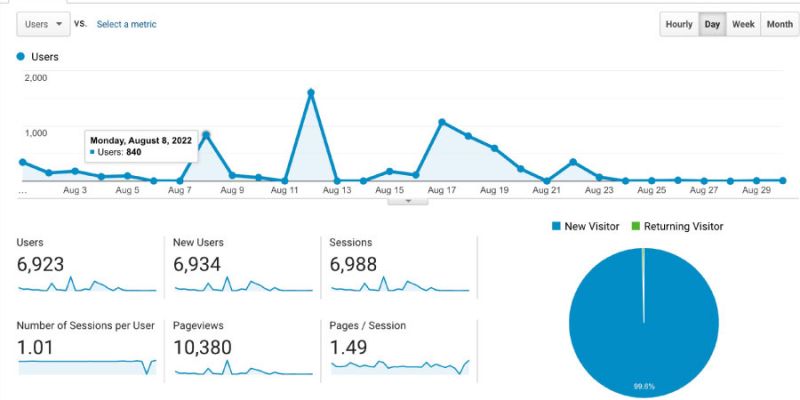
GA4-Sustainable SEO

Articles that clearly show a large amount of effort and value will last over time and are important to a website’s success. A successful SEO is going to focus on quality rather than quantity.

Internal linking is also an important key to long-term growth and success. This should be updated regularly to help Google understand where your most important content is.

In accordance with well-written content for SEO, understanding your target audience and viewers that regularly interact with your page is an extremely important part of success. Seeing what content performs best in your given audience, regularly doing keyword searches, adding polls and surveys for audience interaction, and fully understanding the content your viewers enjoy and want more of will improve the overall standing of your webpage.

The main point to take away from this is that regularly maintaining your website to fit your audiences’ wants and needs, consistently updating internal links and keywords within your content, and having valuable content will be the first stepping stones to growing long-term success for your business online and SEO.

By |2025-09-18T14:18:04-04:00October 17, 2022|Search Engine Optimization, Web Design & Development|

Website Optimization Is Crucial In The Digital Era

Website optimization is crucial in the digital era that is rapidly growing and taking over our environment, and it is critical for a business to have a fully optimized SEO. It is expected that by 2025, 38.6 billion items will be connected to the internet in some form. That’s a 132.53% increase from 2018 when an estimated 16.6 billion devices were connected to the internet. As mobile shopping, social media, and engine searches grow, a business must have the highest quality, most efficient digital identity. This can be accomplished by website optimization.

When starting a business, or trying to improve an existing brand, website optimization and search engine optimization (SEO) play vital roles in the success of a company. Website optimization is using tools, strategies, experiments, and data collection to improve the ranking of a site.

Search engine optimization is the process of making an optimized site rank on different engines by coding and using correct metadata approved and boosted by the algorithm.

The goal of these tactics is to increase your audience. This is done by accumulating website clicks, ad views, conversions, interactions, traffic, and more which leads to more revenue.

These strategies are not only important to maintaining a highly functional online presence, but also will boost online sales as well as image. The internet is the root of a successful business. Customers use resources like reviews, the aesthetic of a web page, which business appears first on their search browser, and more to influence the decision of where to take their business not only online, but in person as well. It is proven that website optimization is crucial in the digital era of today’s world.

Tools For Website Optimization

Various tools play a major part in website design and optimization that any successful business will have under its belt.

Page speed is the rate at which a website is fully loaded. PageSpeed Insights is a free tool to collect data and optimize the website loading rate. This tool will rank any website from 0-100 based on the website’s performance and speed overall. A slow page will turn the audience away from your business, create frustration due to lack of efficiency, and will ultimately make that website rank lower throughout each search engine.

HotJar is an analytical site that tracks user behavior. This is a program that is free but requires signup. With simplicity, this allows businesses to follow a diversity of analytical graphs, charts, and organized data for the use of website optimization.

Google Search Console, Google Analytics, and Google Optimize are other useful, free tools that target the overall performance of a site through Google. These allow you to view overall optimization including keywords, metadata, where troubleshooting may be located, parts indexed incorrectly, and more search-related data.

Some other paid tools if you are looking to invest to benefit your SEO include SEMRush, which allows the user to identify major competitors in the market. Screaming Frog will allow you to view technical errors, Ahrefs allows you to view and maintain your overall SEO health, and Moz is a great tool for an all-encompassing website optimization check.

It is encouraged to visit some of these sites and see how your digital presence is withholding in order to fully optimize your websites and brand for a larger revenue, and more successful business overall.

By |2025-09-18T14:19:46-04:00September 14, 2022|Search Engine Optimization|

Making Sure Shoppers Shop Your Business

Making sure shoppers shop your business is an important key to any successful business. Right now, somewhere not far from you, someone is looking on social media, considering where to buy something. It’s an online conversation that happens repeatedly every day. Make sure you have a social strategy that turns shoppers into customers. It doesn’t matter if your potential customers are for products or services; it is essential to ensure that you can (and do) engage them in order to increase the revenue of your business. A strong digital presence begins with ensuring that your website is optimized for performance and user experience, especially in today’s competitive online landscape.

  • Create your brand on social media to boost engagement.
  • Improve social customer care on Facebook and Twitter.
  • Respond to your customer reviews on Google and Yelp.
  • Track the most important social media metrics for 2020.

Having a Social Media strategy as part of your company branding allows your potential customers to know who you are, so follow through with even the most basic of steps on social media channels and begin your path to better customer engagement.

By |2026-03-02T13:28:32-05:00September 14, 2022|Optimizing Mobile Commerce|
Go to Top